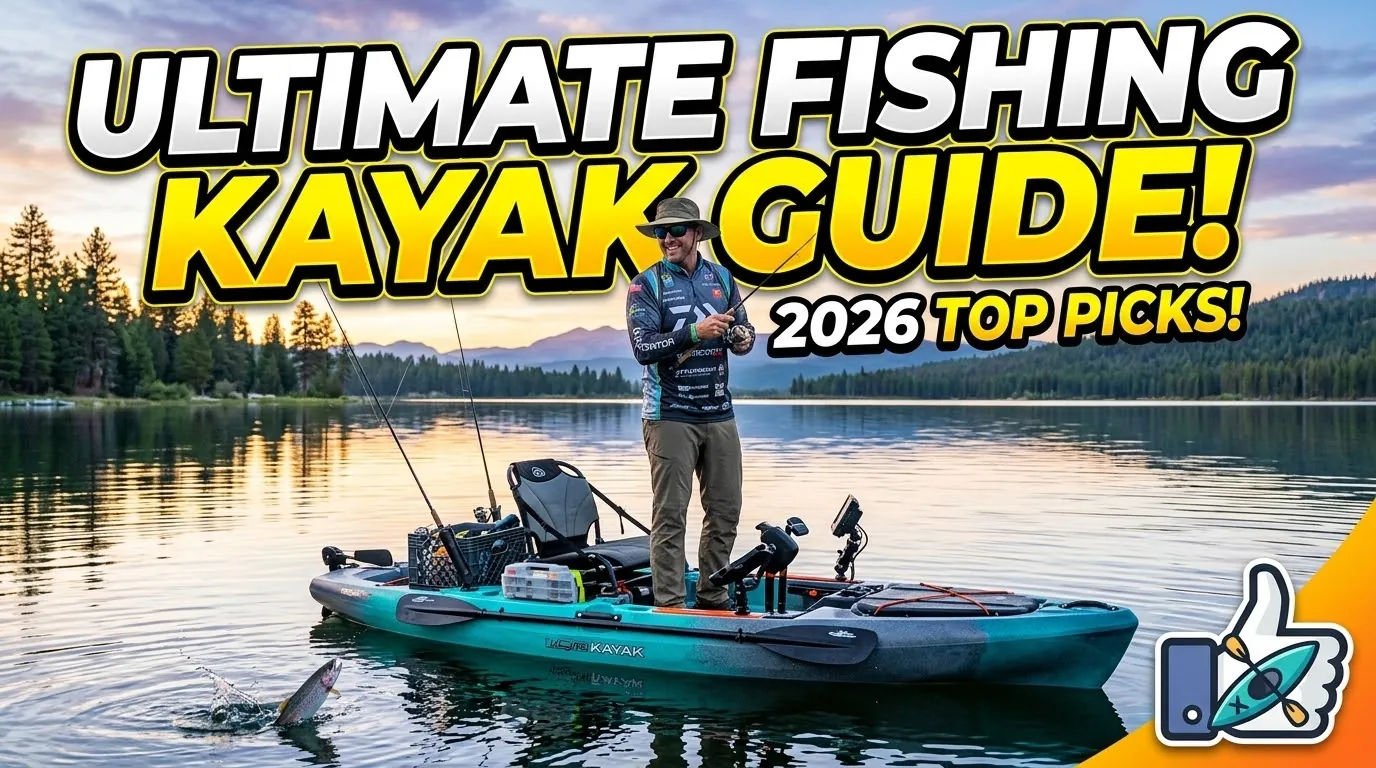
Whether you’re gliding through backwaters or planning a trip on open water, the right fishing kayak can get you closer to fish than many larger boats. Fishing models offer room for tackle, mounting options and hulls designed for anglers. But the best fishing kayak is the one that fits your water, fishing style and ability to transport it.
This 2026 buyer’s guide explains how to choose a fishing kayak, what separates paddle, pedal and motor setups, and how to compare four models without assuming one boat is best for everyone.
Why Choose a Dedicated Fishing Kayak?
A recreational kayak can work for occasional light tackle, but purpose-built fishing kayaks make it easier to organize gear and cast from the water. They also tend to be heavier and costlier, so consider how often you fish before upgrading.
- Stability: Many fishing hulls have wider standing areas. That can help in calm water, but no kayak is universally safe to stand in.
- Custom rigging: Gear tracks, rod holders and electronics mounts let you arrange your setup around the way you fish.
- Hands-free movement: A pedal fishing kayak or motorized fishing kayak can help you hold a rod while moving, though each system has upkeep and weight trade-offs.
Fishing Kayak Models to Compare in 2026
These are starting points for a shortlist, not independently tested rankings. Features, availability, included accessories and model names can change; check the current manufacturer specification and try a demo before purchasing.
Hobie Mirage Pro Angler 14 360 XR
A large pedal-driven fishing platform for anglers who prioritize deck space and maneuverability. Its size can be an advantage when rigging gear, but consider how you will lift, store and transport it. Confirm the exact drive and seat configuration on the current model listing.
Old Town Sportsman AutoPilot 136
This motor-focused option suits anglers who want powered positioning rather than pedal propulsion. Compare its motor controls, compatible battery, total loaded weight and local rules for motorized craft before you commit. Battery equipment may be sold separately.
Vibe Shearwater 125
The Shearwater is worth comparing if a configurable fishing platform appeals to you. Check which paddle, pedal or motor accessories are supported by the exact version you are buying, and whether they are included or optional.
Bonafide SS127
A paddle-first option known for an elevated seating position and a wide fishing platform. It may suit sight fishing in calmer water; try standing in controlled conditions before assuming it will suit your balance and local conditions.
How to Choose a Fishing Kayak for Your Water
Start with where you will actually fish: small lakes, rivers, shallow flats or coastal water. A stand up fishing kayak that feels reassuring on a sheltered pond may be harder to paddle against wind or manage in surf.
Hull Design and Fishing Kayak Stability
A broad, flatter hull often feels steady at rest (primary stability), which can help when casting or reaching for tackle. Hulls designed to respond smoothly when leaned (secondary stability) may feel more predictable in rougher conditions. Width alone does not tell the whole story: hull shape, seat height, load and your experience all affect fishing kayak stability.
For an ocean fishing kayak, prioritize conditions and safety over standing room. Ask about wind and chop handling, drainage, re-entry after a capsize and whether the craft is appropriate for your coastline. Never treat a calm-water stability claim as an offshore safety rating.
Pedal Drive, Paddle or Motor?
A paddle setup is usually simplest and is useful in shallows, but it occupies your hands. Pedal drives free your hands for casting and can be efficient over distance, while adding cost and moving parts; check shallow-water clearance and maintenance. A motor can make positioning easier, but adds a battery, extra weight and possible registration or access rules. Carry a paddle even if you normally use pedals or a motor.
Storage, Capacity and Rigging
Add your body weight, rods, tackle, drinking water, safety kit, battery (if any) and expected catch. Compare the combined load with the manufacturer’s stated capacity; leave a comfortable margin instead of loading to the limit. Look for accessible rod holders, reachable tackle space, a rear tank well and dry storage appropriate for the conditions. A hatch is not automatically watertight: protect valuables separately.
Seating Comfort and Sight Fishing
A comfortable kayak seat matters over a long day. Try its back support, legroom, height adjustment and breathable fabric. A raised seat can improve visibility for a kayak for sight fishing, but also raises your center of gravity. Practice moving between sitting and standing only where conditions and your balance allow.
Compare Before You Buy
- Match the water: Test the kayak in conditions similar to those you expect to fish, not just on a calm showroom demo.
- Check the full carrying weight: Include the drive, seat, battery and accessories when deciding if you can car-top or trailer it.
- Price the complete setup: Ask what is included and what costs extra, including pedals, batteries, mounts and transport gear.
- Plan your safety kit: Wear a properly fitted life jacket, check weather and tides, tell someone your plan and learn how to re-enter your kayak.
- Read the current specifications: Capacity, dimensions and fittings can change with the model year.
Which Fishing Kayak Is Right for You?
There is no universal winner among the best fishing kayaks in 2026. For sheltered water and standing casts, start by testing stable fishing kayak platforms. For covering distance while casting, compare pedal drives. For powered holding position, investigate motorized models and the rules where you launch. The right choice balances hull behavior, propulsion, storage, seat comfort, transport and your budget.
If you are financing a larger purchase, our loan calculator can help compare the total cost of different payment terms. Try the kayak on the water, confirm the exact specifications and put safety ahead of accessories.